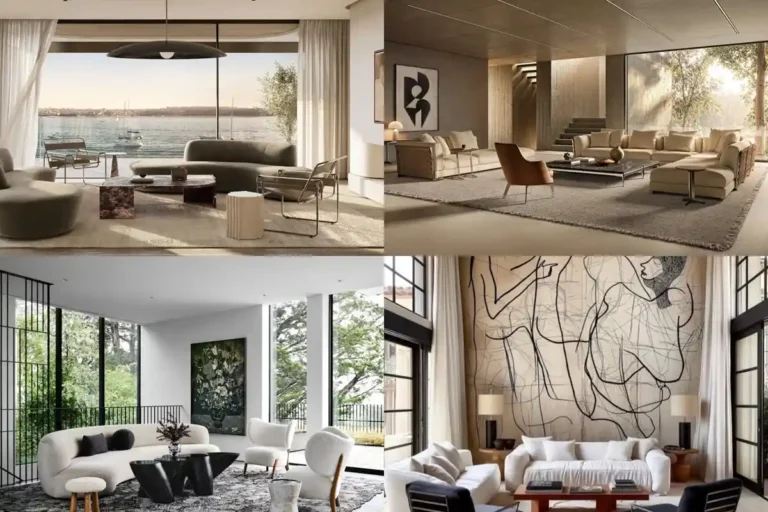
15 Living Room Layout Ideas for a More Comfortable, Stylish Home
Your living room should feel comfortable, inviting, and easy to move around in. But the wrong furniture arrangement can make even a beautiful space feel crowded or awkward.
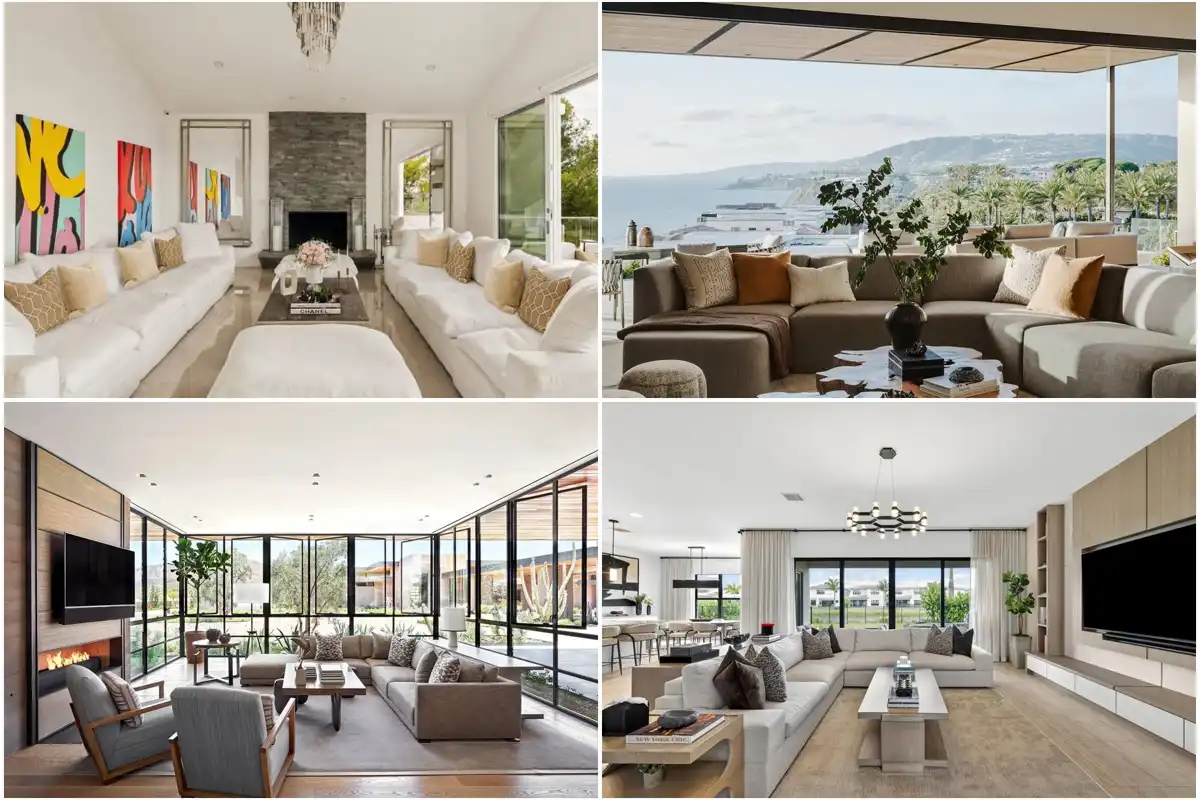
These living room layout ideas will show you different ways to arrange sofas, accent chairs, and coffee tables for better flow and everyday comfort.
Whether you have a small apartment or a spacious family home, you’ll find practical inspiration to make your living room work better without sacrificing style.
1. Arrange Two Sofas Face to Face for a Balanced Living Room

Placing two sofas opposite each other creates a welcoming seating area where everyone can talk comfortably. Instead of directing all the furniture toward a television, this arrangement makes conversation the main focus. A coffee table in the middle connects both sides, while the fireplace provides a natural focal point.
To make this layout work:
- Choose sofas with similar proportions for a balanced appearance.
- Leave enough space between the seats for a coffee table.
- Position the sofas so people can enter and leave the seating area easily.
- Use a large area rug to visually connect both sofas.
Quick Tip: If the room feels too formal, add a small side table, a floor lamp, or textured cushions to soften the symmetrical arrangement.
The Face-to-Face Layout
The Face-to-Face Layout
Table
Best for: Long living rooms and comfortable group conversations.
2. Use an L-Shaped Sectional to Define an Open Living Room

An L-shaped sectional can divide an open-plan living room without blocking the view or making the space feel closed off. Position the longer side toward the main living area and let the shorter section create a natural boundary between the lounge and dining zones.
This arrangement is especially useful when the kitchen, dining room, and living room share one open floor plan.
Try these simple adjustments:
- Place the back of the sectional toward the dining area.
- Add a rug underneath the sofa to define the lounge zone.
- Keep a clear walkway between the living and dining spaces.
- Choose a coffee table that fits comfortably within the sectional.
Quick Tip: Avoid pushing the sectional too close to the dining table. People should be able to walk between both areas without squeezing past furniture.
Create Zones Without Walls
Open-Plan Furniture Zones
Living Area
Rug and coffee table
Dining Area
Keep chairs accessible
Use furniture placement and rugs to separate activities while keeping the open floor plan connected.
3. Position a Sectional Around the View

When a living room overlooks a beautiful landscape, arrange the furniture to make that view part of the everyday experience. A sectional facing the windows gives several people a comfortable place to enjoy the scenery together. Its wraparound shape also creates a connected seating area around the coffee table.
Use this layout in rooms overlooking a garden, patio, balcony, or waterfront.
A few placement details make a difference:
- Face the main seating toward the best part of the view.
- Keep tall bookcases and cabinets away from large windows.
- Choose a lower-profile sofa if the window view is a major feature.
- Leave a clear route to patio doors or outdoor access.
Quick Tip: Don’t place every seat directly against the window. Angle one section slightly inward so people can enjoy both the view and conversation.
Let the View Lead the Layout
Plan Around the Outdoor View
Large Windows / Outdoor View
Keep the sightline open
Best for: Living rooms with garden, balcony, terrace, or waterfront views.
4. Create a Conversation Area With a Sofa and Accent Chairs

A sofa and two accent chairs provide flexible seating without relying on one oversized sectional. The sofa offers the main seating space, while separate chairs make it easier to adjust the arrangement when guests visit. Position all the seats around a shared coffee table to create a comfortable conversation zone.
For a more natural arrangement:
- Place the main sofa along the longest suitable wall.
- Position two accent chairs opposite or slightly angled toward it.
- Add a coffee table within easy reach of every seat.
- Use an area rug to bring the furniture group together.
Quick Tip: Choose chairs with a similar visual weight to the sofa. They don’t need to match, but their size and style should feel connected.
A Flexible Conversation Group
Arrange Seating Around the Center
Angle the chairs toward the sofa to create an inviting seating group rather than separate furniture zones.
5. Build a Symmetrical Layout Around the Fireplace

A fireplace makes a strong focal point, so arranging the furniture around it can give the living room a calm, organized appearance. Place the main sofa facing the fireplace, then add two accent chairs opposite or slightly angled toward the center. Matching built-in shelves on both sides can reinforce the balanced look.
To create this arrangement:
- Center the sofa with the fireplace wall.
- Position accent chairs at similar distances from the focal point.
- Add a coffee table between the seats.
- Keep decorative accessories on shelves relatively balanced.
- Make sure the seating doesn’t obstruct access to the fireplace.
Quick Tip: Symmetry doesn’t mean every accessory must match. Use different cushions or decorative objects while keeping the larger furniture arrangement balanced.
Center the Furniture Around One Focal Point
A Balanced Fireplace Layout
Keep the main seating aligned with the fireplace to establish a clear visual center.
6. Arrange Multiple Sofas for a Spacious Seating Zone

A large living room can feel disconnected when the furniture is spread too far apart. Using multiple sofas around one central area creates a more inviting arrangement and gives everyone a comfortable place to sit.
Instead of placing every sofa against a wall, bring the seating pieces closer together and use a shared coffee table to connect them. Keep the arrangement proportional to the room so the furniture feels substantial without overwhelming the space.
Try these layout adjustments:
- Position the sofas around a shared focal point.
- Use a large rug to anchor the seating group.
- Keep the coffee table accessible from the main seats.
- Leave clear pathways around the furniture.
Quick Tip: If the room is especially large, add a pair of accent chairs to fill an empty corner without separating the main seating area.
Make a Large Room Feel Connected
A Connected Seating Zone
Use a shared center point and a large area rug to make multiple seating pieces feel like one arrangement.
7. Face the Main Seating Toward the TV

If your family regularly watches television together, make the screen an important part of the furniture plan. Position the main sofa directly opposite the TV, then arrange any additional seating so people can watch comfortably without constantly turning their heads.
A low media console can provide storage while keeping the television area visually simple. An area rug and central coffee table help bring the seating together.
Before settling on the arrangement, check these details:
- Make sure the TV is visible from the main seats.
- Avoid placing the screen where strong window glare makes viewing difficult.
- Keep enough room between the sofa and coffee table.
- Preserve a clear route to doors and other frequently used areas.
Quick Tip: Sit in your usual viewing position before finalizing the layout. A setup that looks good from the doorway may not feel comfortable during everyday use.
Plan Around Your TV Viewing Angle
TV-Focused Living Room Layout
Remember: Check viewing comfort and window glare before choosing the final furniture positions.
8. Use Small Chairs and Tables to Make a Compact Living Room Work

A small living room needs furniture that fits the available floor space without making everyday movement difficult. A compact sofa, lightweight accent chairs, and small tables can provide comfortable seating while leaving more room to walk around.
The arrangement in this image also makes use of a shared rug to define the lounge area beside the dining space. Wall-mounted shelves provide storage and display space without taking up valuable floor area.
Furniture choices worth considering:
- A two- or three-seat sofa instead of an oversized sectional.
- Lightweight chairs that can be moved when needed.
- Nesting or round tables that take up less visual space.
- Wall shelves for books and decorative items.
- A small pouf that can double as extra seating.
Quick Tip: Measure the room and mark the furniture positions before buying anything. This helps you avoid pieces that look attractive but leave too little walking space.
A Compact Furniture Plan
Make Every Piece Count
Choose smaller, movable furniture and preserve an open route through the room.
9. Use a Corner Sectional to Make the Most of Your Living Room

An unused corner can become a comfortable seating area with the right sectional. Instead of filling the room with several separate chairs, a corner sofa follows two sides of the space and provides generous seating in one connected piece.
The round nesting coffee tables shown here soften the arrangement and offer flexible surface space. You can separate the smaller table when you need extra room or tuck it away when the living room feels crowded.
Make this layout more practical:
- Place the sectional along the corner without blocking doorways.
- Use nesting tables to keep the center flexible.
- Add a small side table near the sofa’s outer edge.
- Anchor the seating with a rug that fits the sofa’s footprint.
Quick Tip: Before choosing a corner sectional, check whether the longer side should sit on the left or right. Getting the orientation wrong can interfere with the natural flow of the room.
Corner Sectional Layout
Use the Corner Efficiently
Keep the sectional connected while preserving a clear route through the room.
10. Add a Bench to Create Flexible Living Room Seating

A bench is a useful alternative to another full-size sofa when your living room needs extra seating. It provides room for more people while keeping the furniture arrangement visually lighter. In this layout, the bench faces the main sofa, with a coffee table between them and additional chairs completing the seating group.
This idea works particularly well in family living rooms where seating needs can change throughout the day.
Ways to make a bench work in your layout:
- Choose an upholstered design that complements the main sofa.
- Position it opposite the sofa or along the edge of the seating rug.
- Leave enough space for people to sit and stand comfortably.
- Select a movable design if you regularly rearrange furniture.
Quick Tip: A bench with a slim profile can be easier to move aside when you need more open floor space for guests or family activities.
Flexible Seating With a Bench
A Flexible Seating Arrangement
Use a movable bench to add seating without committing to another large sofa.
11. Arrange Two Sofas Beside a Large Window

A large window can become the main feature of your living room when the furniture is arranged around it. Position the sofas so people can enjoy the scenery while still facing one another. An accent chair can complete the seating group without blocking the view.
What to Do:
- Arrange the main sofas to frame the window.
- Keep tall cabinets and bulky furniture away from the glass.
- Use a glass coffee table to maintain a lighter appearance.
- Leave enough space around the seating for easy movement.
Quick Tips:
- Choose low-profile furniture when the view is especially attractive.
- Add sheer curtains to soften strong daylight.
- Avoid placing decorative accessories directly in front of the windows.
Best for: Living rooms with large windows overlooking a garden, balcony, or waterfront.
Keep the Window in Focus
Frame the View With Your Furniture
Large Window / Outdoor View
Keep the sightline open
Layout reminder: Keep tall furniture away from the window and preserve a clear path to outdoor access.
12. Create a Relaxed Layout With Curved Furniture

Curved furniture can make a living room feel softer and less formal. A rounded sofa creates a natural focal point, while separate accent chairs provide additional seating without making the arrangement look too rigid.
The large windows in this room also allow plenty of natural light to reach the seating area.
How to Arrange It:
- Start with the curved sofa as the main seating piece.
- Place accent chairs opposite or slightly angled toward it.
- Add a coffee table that fits comfortably within the curved arrangement.
- Leave open space around the furniture so its shape remains visible.
Quick Tips:
- Choose rounded side tables to complement the sofa.
- Avoid adding too many oversized furniture pieces.
- Use a large rug to connect the curved seating group.
Best for: Spacious living rooms where you want a relaxed, welcoming seating arrangement.
A Softer Seating Arrangement
Balance Curved Furniture
Keep supporting furniture simple so the curved sofa remains the main feature of the room.
13. Use a Curved Sofa to Define an Open Seating Area

An open living room can sometimes feel like one large, undefined space. A curved sectional helps create a natural boundary around the seating area without using walls or bulky dividers. Its rounded shape makes the furniture grouping feel connected while leaving the surrounding floor plan open.
What to Do:
- Position the curved sofa along the edge of the seating zone.
- Keep the open side directed toward the rest of the room or outdoor area.
- Add accent chairs to provide extra seating.
- Use smaller coffee tables that can be moved when needed.
- Maintain a clear route around the sectional.
Quick Tips:
- Avoid pushing the curved sofa against a straight wall if you want to highlight its shape.
- Choose accent chairs that complement the sofa’s colors.
- Use a rug to visually define the seating zone.
Best for: Open-plan living rooms that need a clear lounge area without closing off the space.
Define the Space With Curved Seating
Create a Defined Seating Zone
Keep the seating connected while leaving an open route around the furniture.
14. Fit an L-Shaped Sofa Into a Corner for a Cozy Layout

A corner sofa can make an awkward or unused corner feel like a comfortable place to relax. Instead of filling the room with separate chairs, an L-shaped arrangement uses the available wall space and provides generous seating in one piece.
The round coffee table in this example also helps balance the sofa’s angular shape. A rug underneath brings the furniture together and makes the seating area feel more intentional.
Try These Layout Ideas:
- Position the longer side of the sofa along the main wall.
- Use the shorter section to complete the corner.
- Place a round coffee table within easy reach.
- Choose a rug large enough to anchor the seating.
- Keep the entrance and main walkway clear.
Quick Tips:
- Measure both walls before buying an L-shaped sofa.
- Check whether you need a left-facing or right-facing configuration.
- Add a slim floor lamp or side table if the corner needs extra function.
Best for: Small and medium-sized living rooms where you want generous seating without several separate furniture pieces.
Anchor the Corner Seating Area
Plan an L-Shaped Corner Layout
Measure the corner carefully and leave enough room for comfortable movement.
15. Pair a Large Sectional With a Round Coffee Table

15. Pair a Large Sectional With a Round Coffee Table
Image reference: A large curved corner sectional surrounding a dark round coffee table in a bright living room.
A large sectional can provide plenty of comfortable seating, but its long lines may make the center of the living room feel heavy. Pairing it with a round coffee table creates a softer contrast and makes the arrangement feel more balanced.
The rounded table also provides easy access from different parts of the sectional. In the reference image, the chaise adds extra space to stretch out, while the surrounding windows keep the room connected to the greenery outside.
What to Do:
- Choose a round table that is proportional to the sectional.
- Position it where everyone can reach it comfortably.
- Keep enough clearance around the chaise for walking.
- Add cushions to introduce color and texture.
- Use a rug large enough to visually connect the seating pieces.
Quick Tips:
- Avoid a coffee table that is too large for the available floor space.
- A dark table can create contrast against light upholstery.
- Choose rounded edges if the living room has limited walking space.
Best for: Family living rooms where a large sectional is the main seating feature.
Sectional With a Round Center Table
Balance a Large Sectional
Use a rounded center table to soften the long lines of a large sectional and improve access from different seats.
Final Thoughts
The right living room layout can change how your entire home feels. Whether you prefer a symmetrical sofa arrangement, a cozy corner sectional, or a flexible seating area with accent chairs, the best choice is one that suits your space and daily routine.
Before buying new furniture, try rearranging what you already have. Pay attention to walking space, natural light, and how easily people can move around the room.
Save your favorite living room layout ideas to Pinterest so you can revisit them when it’s time to refresh your space!