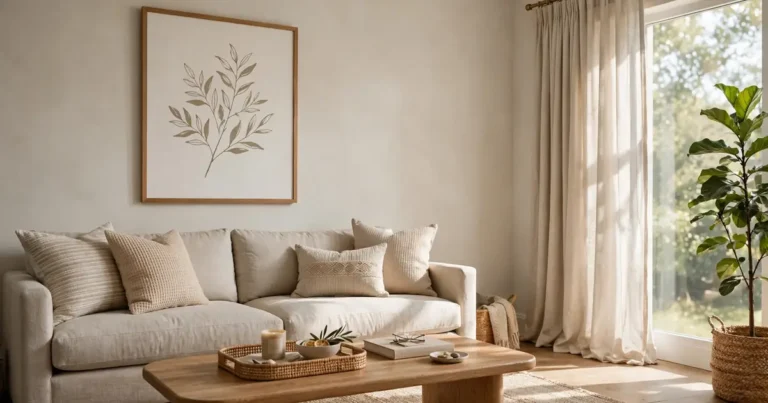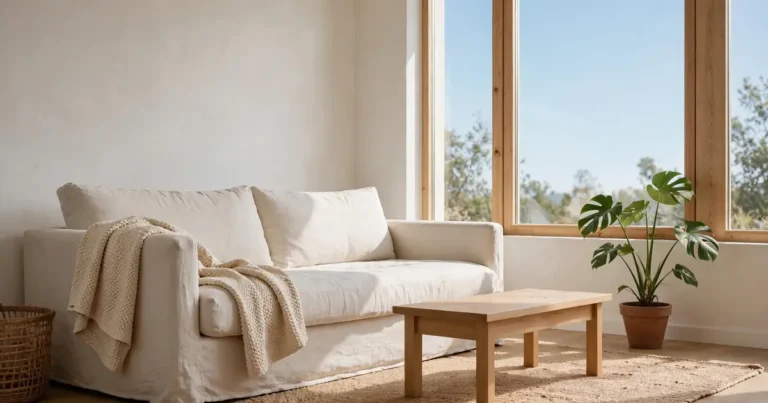
A living room earns its keep in the walkways, not the wishlist. Get the paths wrong and even good furniture feels like an obstacle course.
These living room design ideas start with layout. Traffic flow and the first view from the doorway decide how the room feels. A tape measure and an honest hour do more than a shopping spree.
Fifteen ideas follow, and almost none require a new sofa. Pick the single idea that fixes your worst bottleneck first.
Measure First, Shop Second
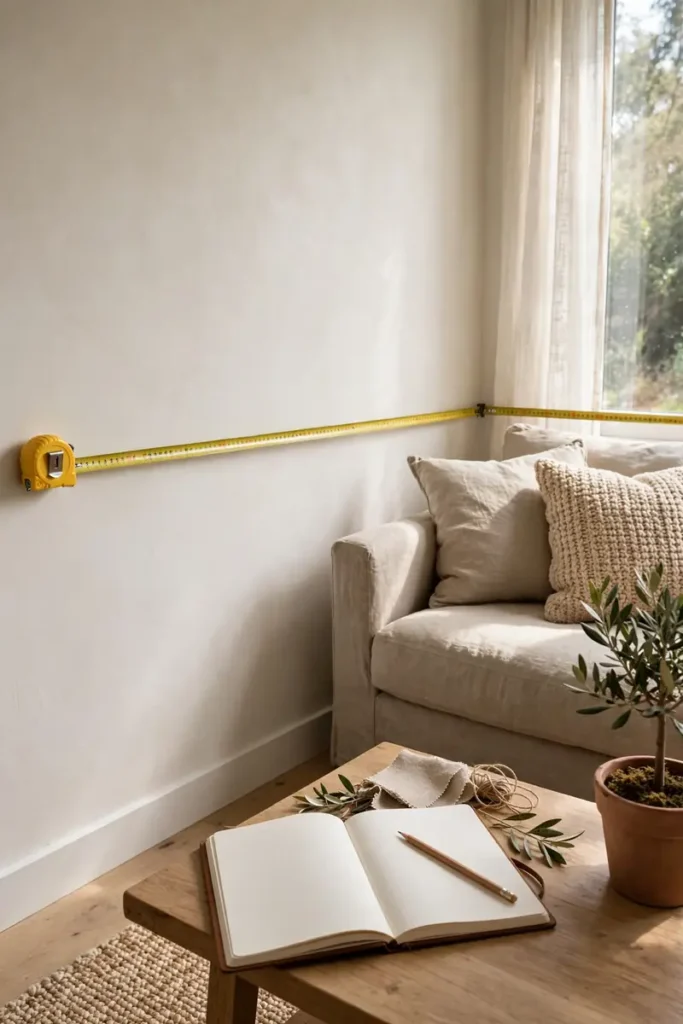
The usual mistake is falling for a sofa, then discovering it blocks the doorway. Tape measures cost little and prevent the most expensive error in the room.
Measure the room, the doorways, and the path the delivery takes. A sofa that fits the wall but not the stairwell is a sofa you do not own.
Check the swing of each door. A door that hits the sofa means the layout fails on day one. Doors need a full clear arc, which the tape lines will show.
Sketch the layout on paper before you spend anything. For where to start, a rough floor plan beats a showroom impulse.
Tape the Layout and Live With It
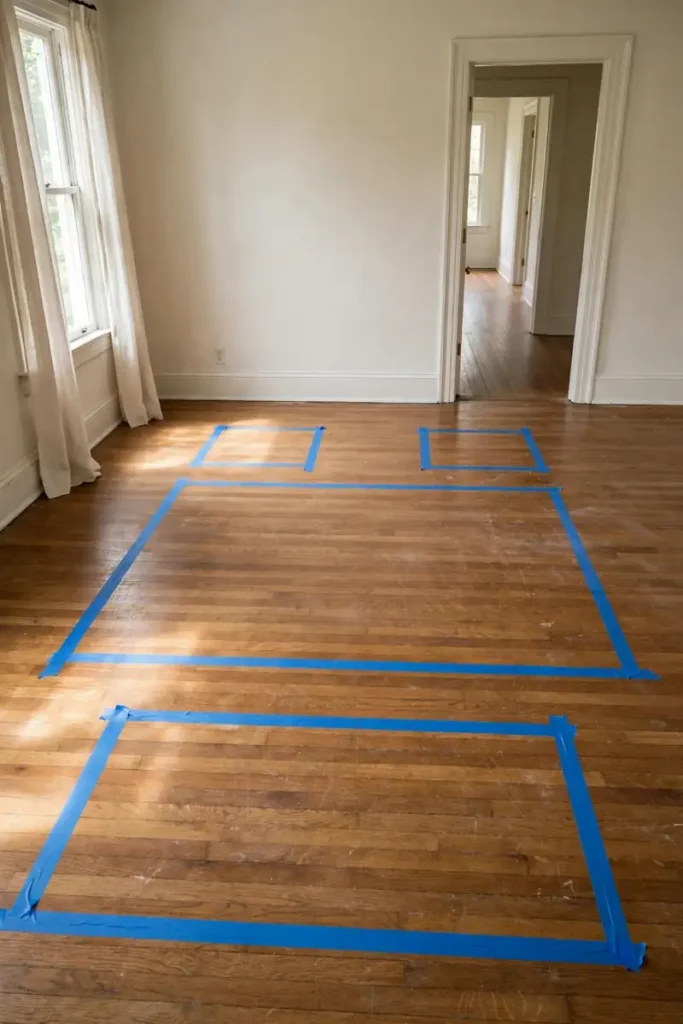
Furniture placed first creates obstacle courses. Walkways drawn first create rooms that move well even when they are full of people. A common guide suggests thirty to thirty-six inches for main paths and at least twenty-four for secondary ones. Mark them with painter’s tape.
Run the grocery-bag test. Carry two full bags along each taped path. If you turn sideways, the path is too narrow for daily life. Then live with the lines for a week and notice what annoys you before anything is final.
Photograph the tape lines. The photo shows crowding your eyes miss in person. Then commit: push the furniture into place and enjoy the living room ideas you actually tested.
Guests Read Your Living Room Design in the Doorway
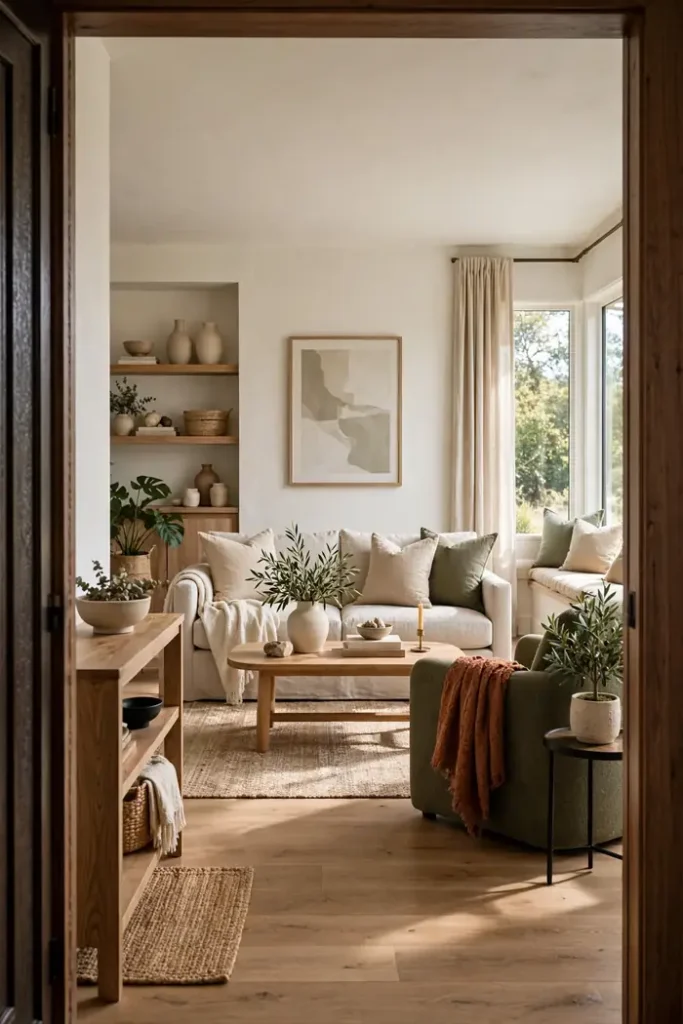
Each room has a first impression, and it happens in the doorway. Stand in your front door and look in. Note the wall you face, the corner you see, the mess on the coffee table. That is the room’s opening sentence.
Design that view first. A clear path in, one clear focal point straight ahead, and nothing you would apologize for. Guests decide how the room feels before they sit down, so give their eyes somewhere good to land.
Put one considered thing in that sightline: a plant, a lamp, or the good chair. Keep the coffee table clear and the throw folded. Guests forgive a lived-in room, but the first view sets the score.
Give the Room One Boss

Rooms without a focal point feel restless, since the eye keeps searching without settling. Pick one boss: the fireplace, the window with the view, or the media wall.
Notice what guests look at first. Visitors usually glance at the same spot within seconds. That spot is your real focal point, whether you chose it or not. Angle seating toward it, even slightly, since a sofa turned five degrees toward the fireplace feels considered.
When the TV and the fireplace fight, choose the one you use daily. Above the fireplace usually sits too high and strains necks within a week. For living room basics, most households pick the screen and dress the mantel down.
If you must mount, use studs or rated anchors and hide the cables in a raceway. Cable raceways and cord covers cost under $50 and take about an hour to install.
Rug Math for Better Living Room Design
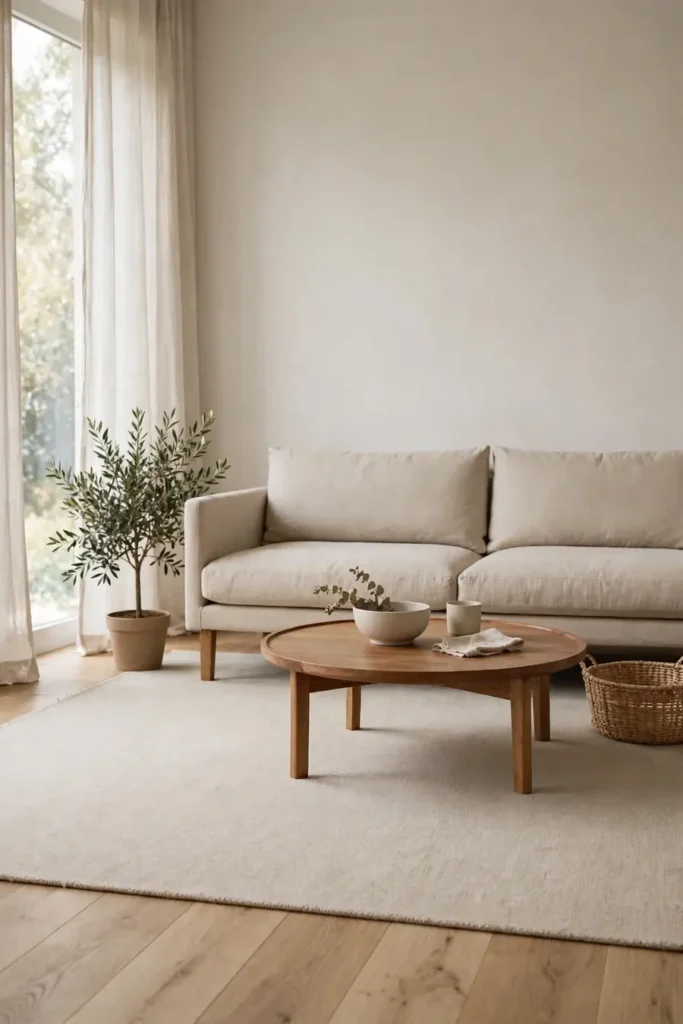
A rug that is too small shrinks the whole room. The common guide says to place the front legs of the seating on the rug.
Let it extend past the sofa on both sides for a settled look. In most rooms, an eight-by-ten rug suits a standard sofa setup. Open plans often need nine-by-twelve. Measure first, since rugs are expensive to return.
Add a rug pad underneath. It stops the sliding, adds cushion, and makes a thin rug feel twice as expensive. Check the door swing before you buy: a thick rug plus pad can jam a door that opens over it.
Living Room Design Myth: Sofas Must Float
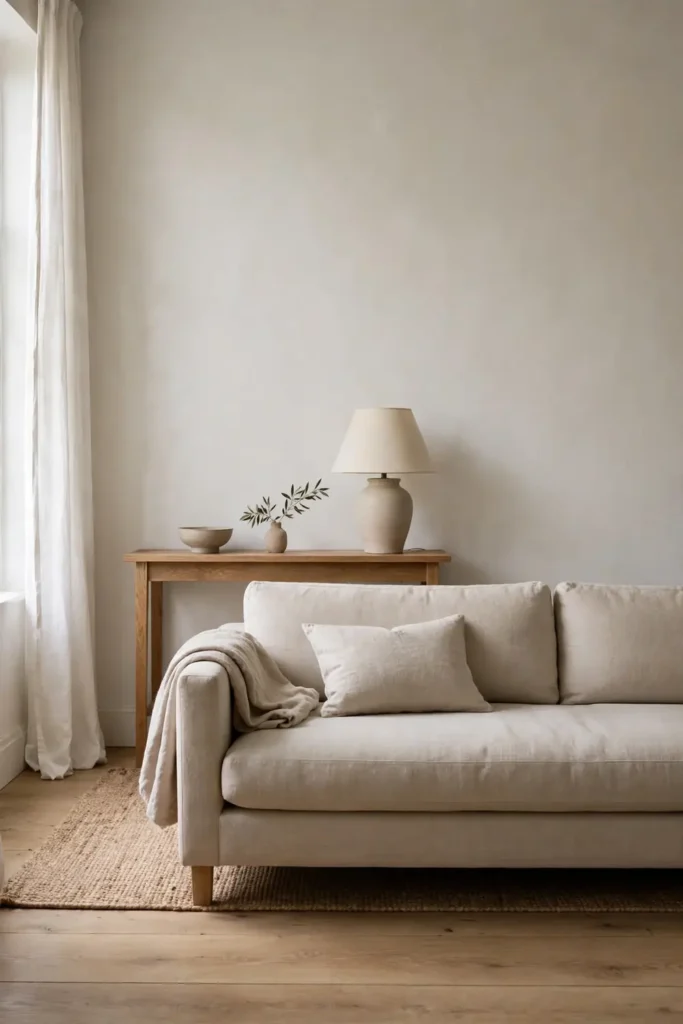
Design blogs insist on floating the sofa. In a twelve-by-fourteen room, floating it eats the walkway and buys you nothing. Against the wall works when the room is small or the view is the window opposite. Floating works when the room is large enough to walk behind the sofa.
Judge by the walkway, not the rule. For small living rooms, wall placement usually wins back two feet of floor.
Skip the guilt either way. A sofa against the wall with art above it and a floor lamp beside it looks deliberate. Floating only earns its keep when you can walk behind the sofa without turning sideways.
Living Room Design Fix: Pull Seating Into a Circle

Chairs drifted to the walls make conversation impossible. People end up shouting across a rug like strangers at a bus stop. Pull seating into a loose circle: a rule of thumb keeps seats within about eight feet of each other. The three-seat conversation rule: arrange at least three seats so they face each other, not the television.
Two chairs angled toward the sofa beat a matching pair lined against the wall. Keep the coffee table fourteen to eighteen inches from the sofa, a common guide. Make it about two-thirds the sofa’s length. Too far and drinks become a stretch; too close and shins pay.
One curved piece softens a boxy room fast. A round coffee table or an arched floor lamp breaks the rectangle habit without new seating. Curves give the eye somewhere to rest between all the straight lines.
One Big Art Piece Beats a Busy Wall
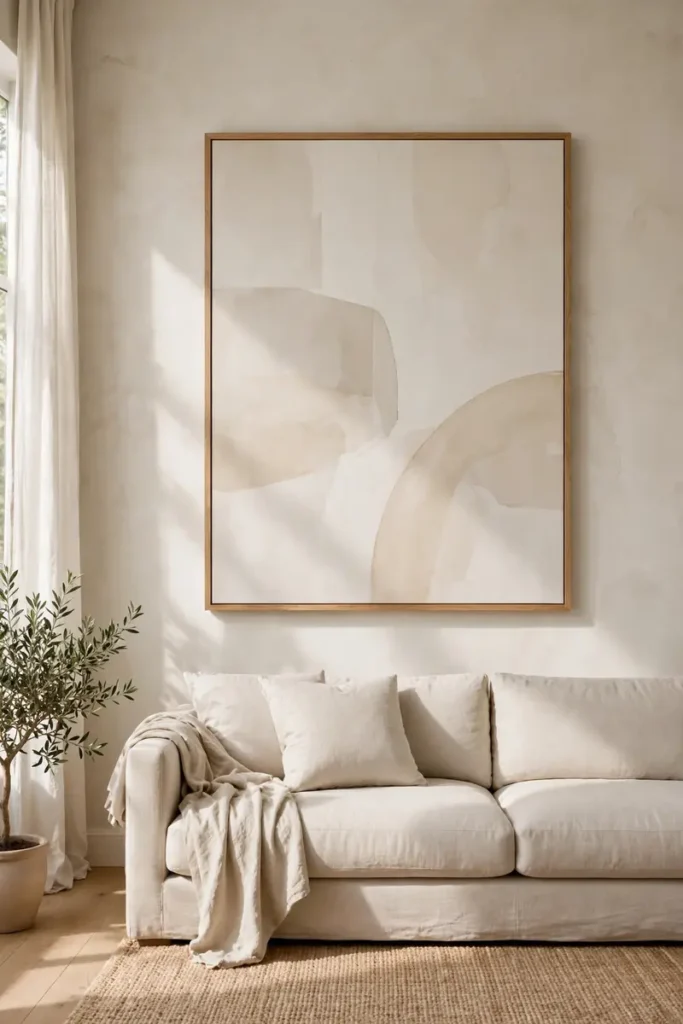
Gallery walls photograph beautifully and overwhelm small rooms in person. One large piece gives the eye a single place to land.
Hang its center around fifty-seven inches from the floor, a widely used gallery guideline. Spend under $100 framing one strong print rather than ten small ones.
Leaning works too. A large frame leaned on the mantel or a low shelf skips nails entirely, which renters appreciate. Keep the lean slight so it cannot slide.
Size it to the furniture below. Art above a sofa should span roughly two-thirds of the sofa’s width, a common guide. Too small looks apologetic.
Curtains Hung Low Are Shrinking Your Window
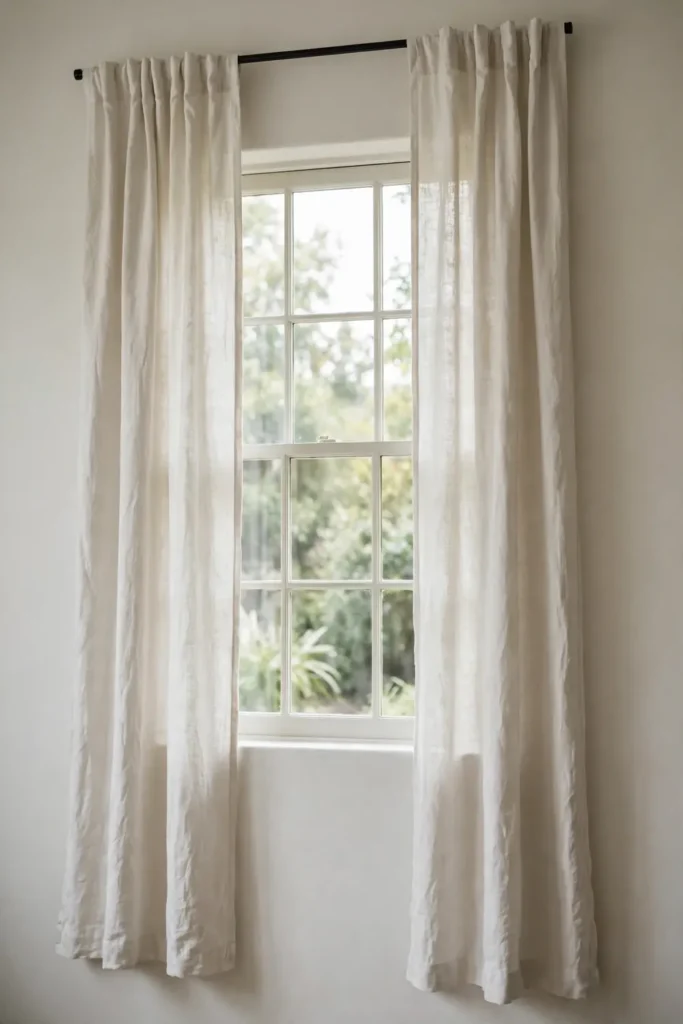
The common advice is to hang curtains at the frame. The fuller picture: rods mounted higher and wider make the window look larger than it is. A common guide suggests four to six inches above the frame and three to four inches wider on each side. In rentals, check the lease before drilling for brackets.
Tension rods suit renters but carry light fabric only. Heavy drapes need brackets in studs or rated anchors, so choose fabric to match the hardware. A rod hung high pulls the gaze up, and the window borrows the extra inches.
Skip the high mount if the ceiling is low and the window nearly reaches it. Four inches above a near-ceiling window crowds the crown and looks fussy. In that case, mount inside the frame and spend the effort on fabric instead.
Light the Corners, Not Only the Middle
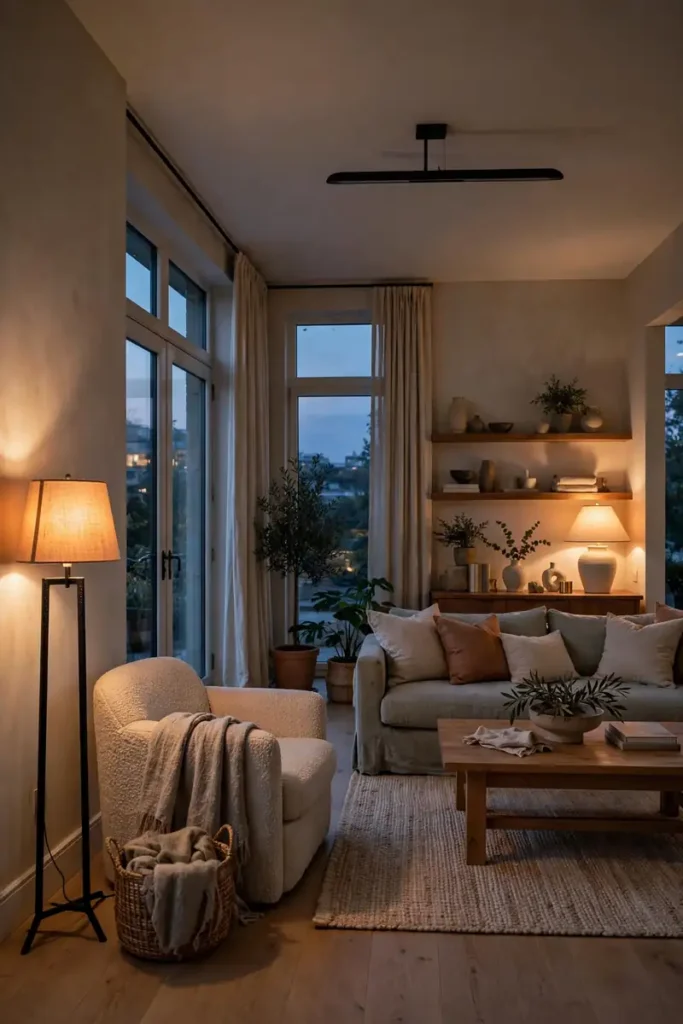
Before: one overhead light leaves corners in shadow and faces looking tired. The room feels smaller after dark than it does at noon. After: a floor lamp in one corner and a table lamp in another spread light at sitting height. For rental-friendly lighting, plug-in sconces and arc lamps need no wiring.
Set lamp shades at seated eye level. A shade that blinds you from the sofa is hung wrong, no matter how pretty the base. Put one lamp on a dimmer: evening light should drop low enough for conversation, which overheads cannot do.
A sculptural floor lamp or a bold pendant can anchor the room the way art used to. Give that piece the dimmer and let it carry the evening. Layer floor, table, and wall light so the room shifts mood through the day. Bright and even for mornings, low and warm at night.
Storage That Hides the Actual Mess
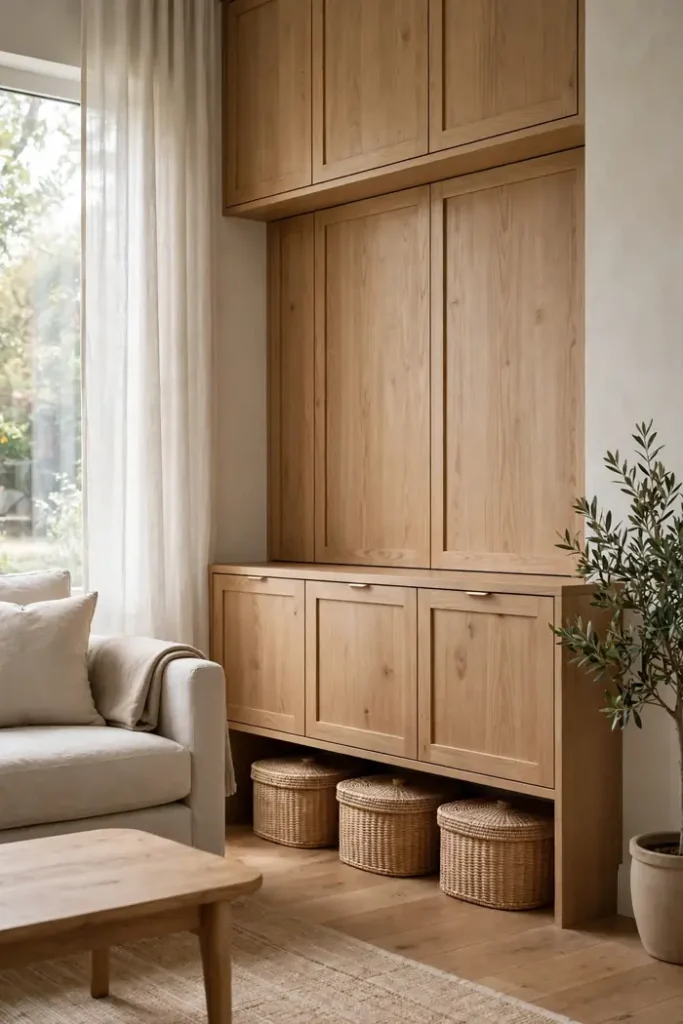
Small living rooms drown in visible clutter. The limitation is floor space, so the workaround is closed storage that doubles as furniture. Storage ottomans hold throws and remotes.
IKEA cube shelving with fabric bins hides the rest, and both cost less than a new bookcase in most stores. Hide the chaos below and show the pretty things up top. One styled shelf beats five crowded ones, and closed doors forgive a messy week.
Budget it honestly. Decent ottomans and bin sets land under $75 each, while a full storage wall is a bigger project for later. See under $75 storage picks for the pieces that pull double duty.
Side Tables Are Usually the Wrong Height
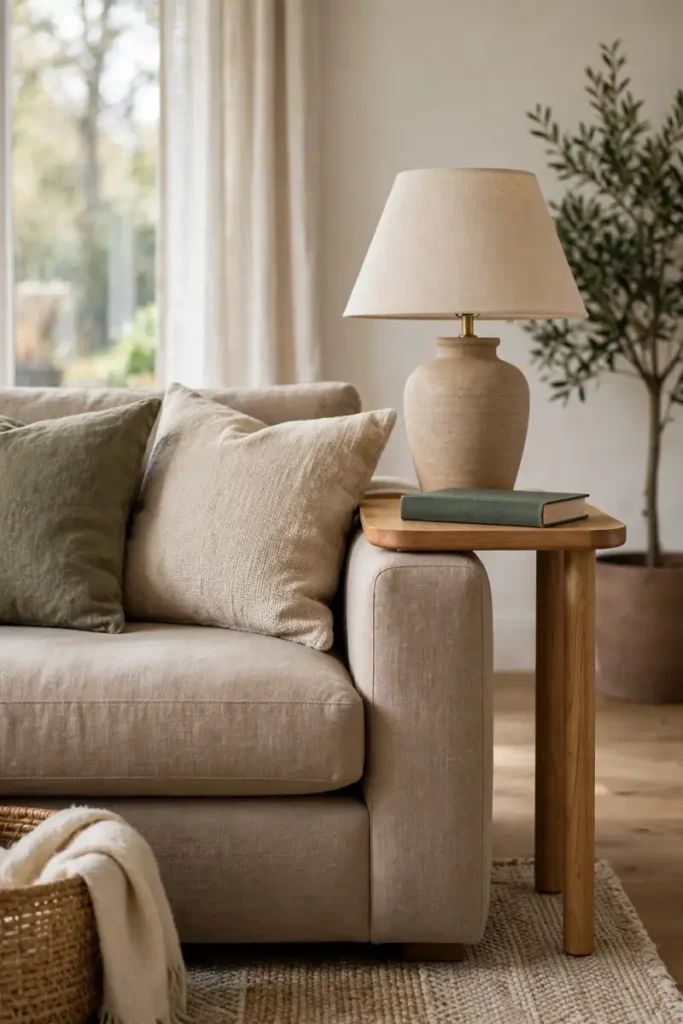
Side tables get ignored until the lamp wobbles. A table much taller or shorter than the sofa arm looks wrong even when you cannot name why. A rule of thumb: the tabletop should sit within an inch or two of the sofa arm height. Coffee tables work well near seat height for the same reason.
Skip the side table entirely in a tight room. A floor lamp with a built-in tray does the job. A wall-mounted shelf beside the sofa works too, without eating floor space. Fewer legs on the floor means easier vacuuming too.
Renters Can Rearrange Without Permission
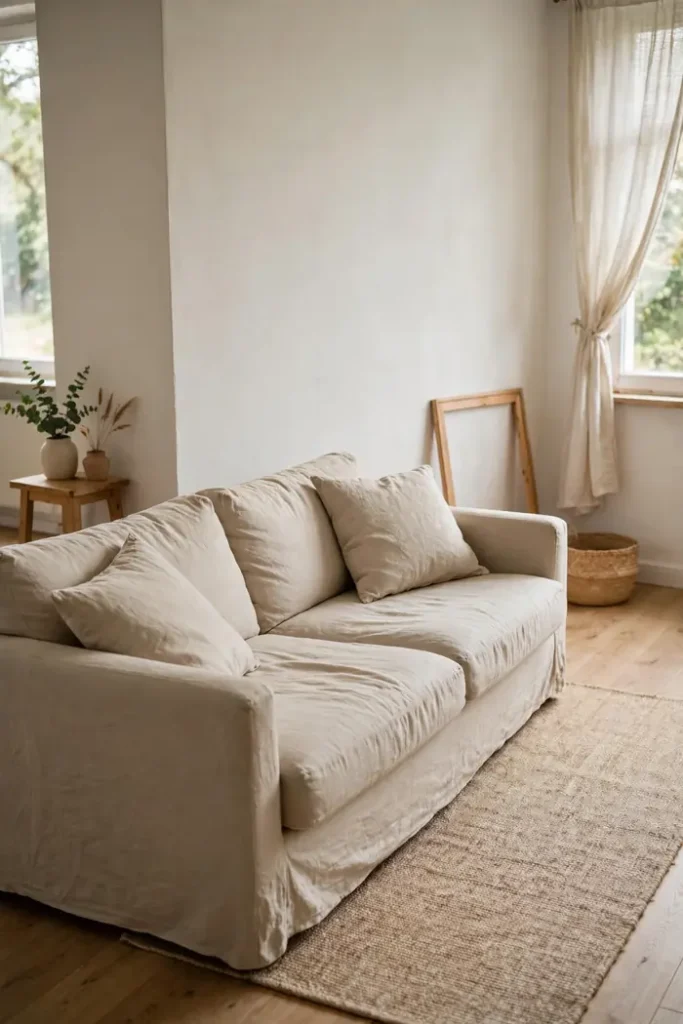
Renters assume the layout is fixed. Owners assume drilling solves everything. Both are half right. Furniture placement is free, and hardware is the part that needs a landlord’s approval.
Float the rug, angle the chairs, and lean a mirror instead of hanging it. These changes shift the room without touching the lease. Start with the rug: placed right, it can rezone a rental in an afternoon.
Swap the hardware you are allowed to touch: shades, bulbs, and switch plates. A warm bulb in a cheap shade changes the room more than a new rug. When you leave, the good shades come with you and the landlord keeps the old ones.
Matching Sets vs Lived-In Mix
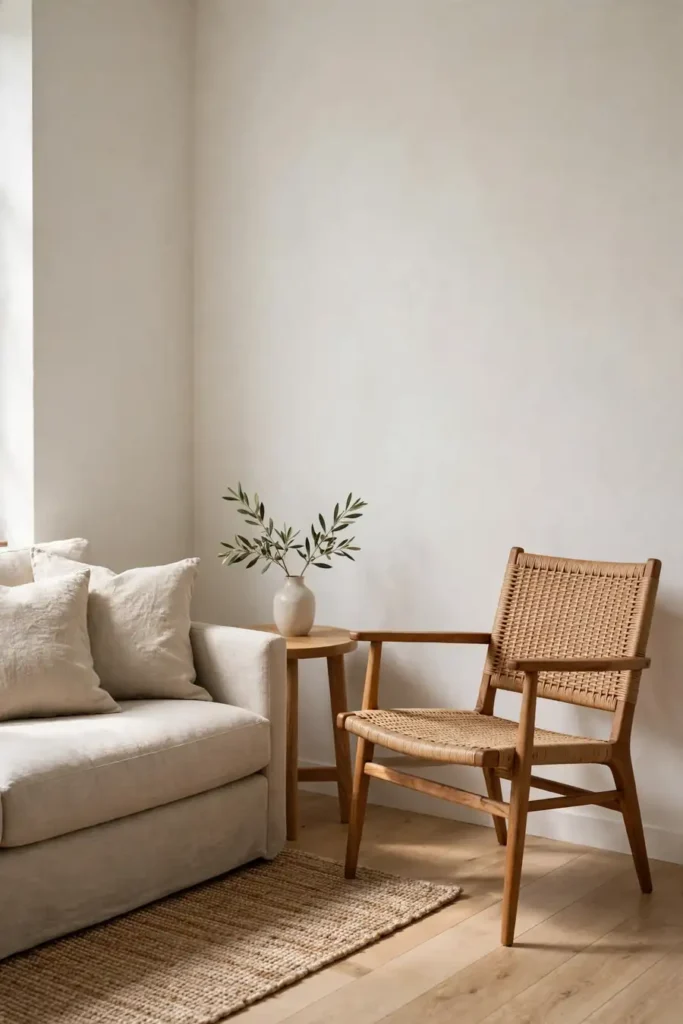
The mistake is buying the whole matching set on day one. It looks tidy in the showroom and flat in your home, because nothing in it was chosen.
Mix one anchor piece with finds from different places. West Elm sofas suit clean-lined rooms. Pair one with a thrifted chair and the set stops looking like a set. Skip the splurge if the budget is tight, since a good slipcover refreshes the sofa you own.
Thrift the second piece. A used armchair with good bones beats a new one with a wobbly frame. Check the joints the way you would a ladder.
Start with what you own. One inherited chair or one good lamp can anchor the mix. Build around it instead of starting from zero.
The Landing Strip for Daily Life
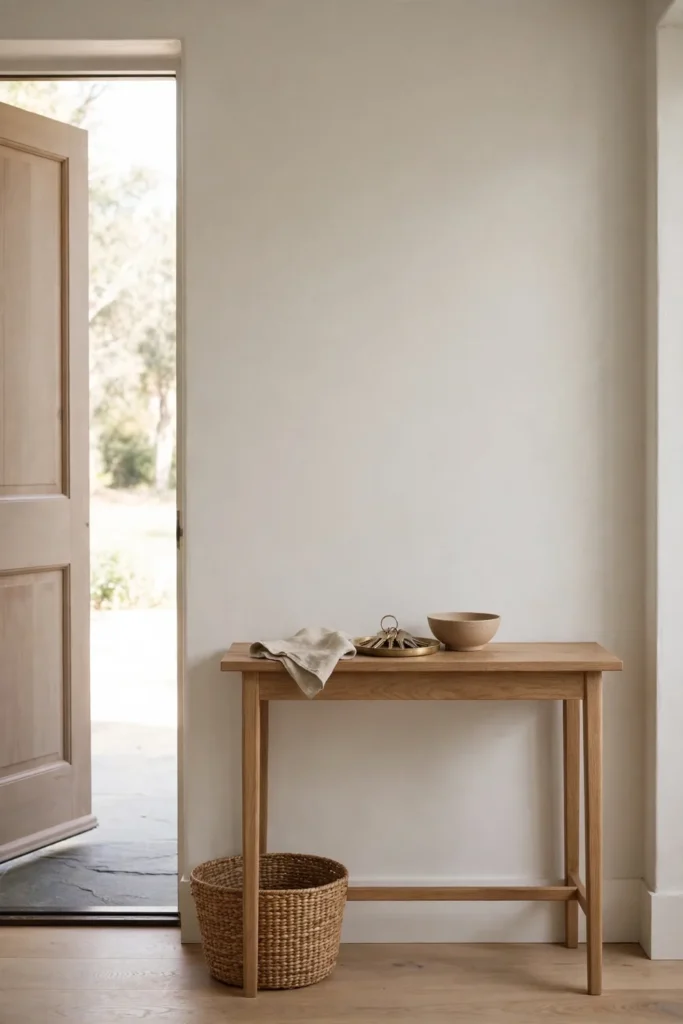
Each home has a landing strip, whether it planned one or not. Keys, bags, shoes, and mail land somewhere near the door. Without a designated spot, that somewhere is each surface in the room.
Give the pile a home: a small tray for keys, hooks for bags, a basket for shoes. A narrow console or a single wall shelf is enough; the landing strip is about containment, not furniture.
Skip it if your entry opens straight into the living room with no wall to spare. A lidded basket beside the sofa does the same job and looks like storage. The principle holds even when the floor plan does not cooperate.
Final Thoughts on Living Room Design
A room feels like you when the layout serves your habits, not a catalog’s. Measure the paths, pick one focal point, and let the furniture follow.
Start today with painter’s tape and an hour. Mark the walkways and the rug outline, then sit with it.
It will not fix a cramped floor plan or a landlord’s beige carpet. What it will do is stop the room from fighting you daily.
FAQ About Living Room Design
What do I do with an awkward corner that fits nothing?
Give it one job. A reading chair with a floor lamp, or one tall plant, turns dead space into a destination. Empty corners collect clutter, so assign the corner a purpose and a light source.
How many throw pillows are too many?
If you move pillows to sit down, there are too many. Three to five on a standard sofa keeps texture without the nightly restack. Pillows should invite sitting, not guard the seat.
Should the sofa face the TV or the window?
Face the daily habit. If this is the TV room, angle seating to the screen and let the window be the backdrop. A sofa aimed at a view no one watches is a layout for photos, not people.