The prettiest cart at the garden center is the most dangerous one. Plants first, soil later, and by July half the pots sit dead in a dark corner. These backyard garden ideas flip that order.
Fifteen ideas follow the money where it actually works. Soil, mulch, and seeds come first, then a few transplants where seeds move too slowly. Nothing here needs fancy tools or a tiller.
Bring gloves and a free Saturday. The garden that survives August gets built in May, one cheap decision at a time.
What $100 Actually Buys in May
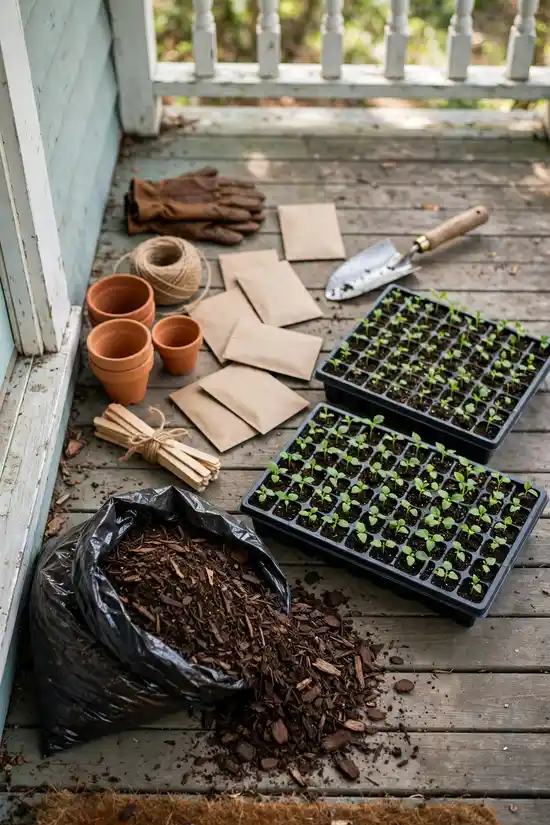
One hundred dollars feels small until you price it against what plants actually need. A large bag of potting mix runs twelve to sixteen dollars. A bale of straw mulch runs eight to twelve. A handful of seed packets adds a few dollars more.
That leaves around sixty dollars for plants, and the order matters. Spend the plant money last, on the few things seeds do badly: tomato transplants, a six-pack of herbs. Seeds handle lettuce, beans, carrots, and marigolds for pennies. Transplants buy you time; seeds buy you volume.
This split is the whole budget strategy. Soil and mulch are the engine; plants are the paint. Get the engine right and even cheap seeds perform. See how far a hundred dollars stretches across more project ideas.
Cardboard First, Digging Optional
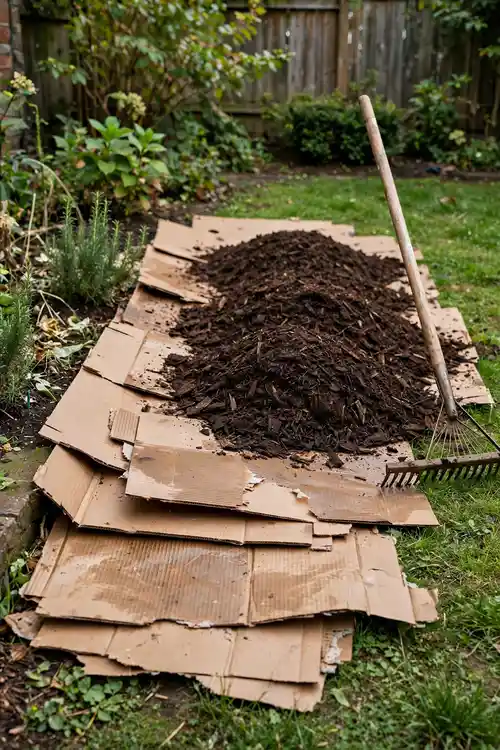
Grass is the hidden problem under a new bed. Dig it and you fight roots for a season; smother it and the grass quits for you. Lay cardboard over the spot, wet it down, and pile six inches of compost or soil on top.
By planting time the cardboard has softened and worms have moved in. You skipped the sod cutter, the blisters, and the rental fee. It is a genuine weekend project: lay it Saturday, plant two weeks later.
Overlap the cardboard by six inches so grass cannot sneak through the seams. Pull the tape off the boxes; it does not break down.
Containers Beat Raised Beds for Beginners
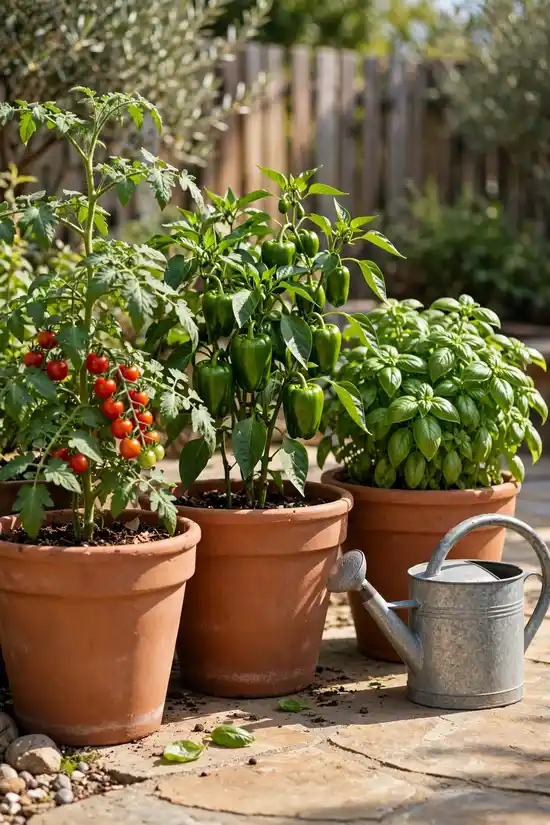
Skip the raised bed your first year. A beginner with three big pots learns more than a beginner with a 4-by-8 bed. Pots forgive mistakes faster.
Containers move. Too much sun, slide them into shade. Bad soil, dump it and start over for the cost of one bag. A raised bed locks you into one spot and one soil mix before you know what your yard wants.
The math favors pots too. A 4-by-8 bed needs roughly a cubic yard of soil to fill, around fifteen bags. Three five-gallon pots need three bags. Start small, learn your light, build the bed in year two.
Use any pot with drainage holes, at least 12 inches deep for most vegetables. Fabric grow bags cost little and fold flat in winter. Even tiny patios hold a surprising amount of food when everything grows in a pot.
Seeds Are the Slowest Savings
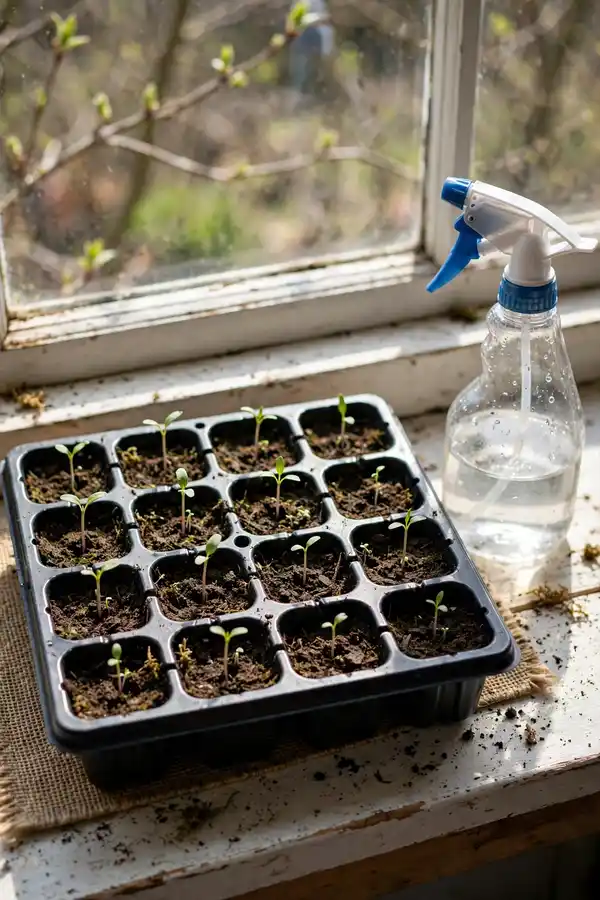
A packet of seeds costs a few dollars and holds fifty plants. A transplant costs a few dollars and holds one plant. Seeds win on price; transplants win on time.
This is the tradeoff: seeds need six to eight weeks of indoor care, while transplants go straight into the ground. If your season is short or your patience is shorter, buy the transplant.
Split the difference the way experienced gardeners do. Sow forgiving seeds directly outside: lettuce, beans, squash. Buy transplants only for slow crops like tomatoes and peppers. Burpee and other major seed brands sell both, so one order covers the plan.
Concrete Block Beds, Honest Math
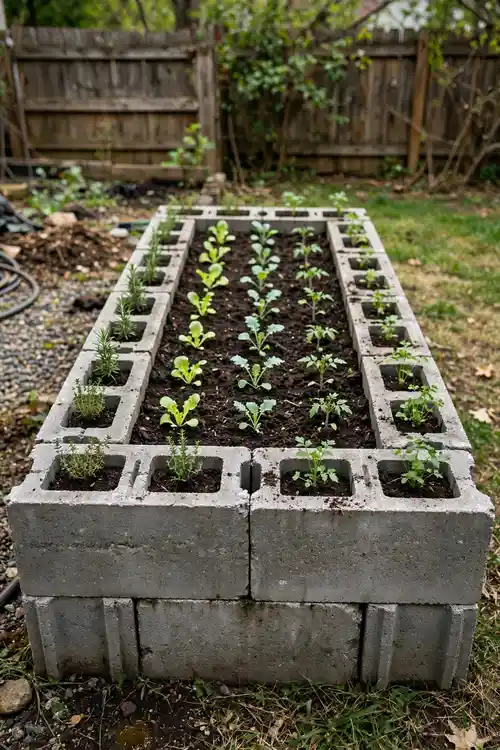
The confession: concrete block beds photograph beautifully and punish beginners. The blocks wick moisture from the soil and the bed drinks constantly.
Filling one eats more bagged soil than the plan allowed. By August the bed needs water again each morning.
What actually works is honest math first. Price the blocks at a home center like Home Depot, then price the soil to fill the bed. Beds settle over the season, so budget extra for topping up. If the total shocks you, compare it with budget backyard makeovers before you haul a single block.
Grow Where the Sun Already Goes
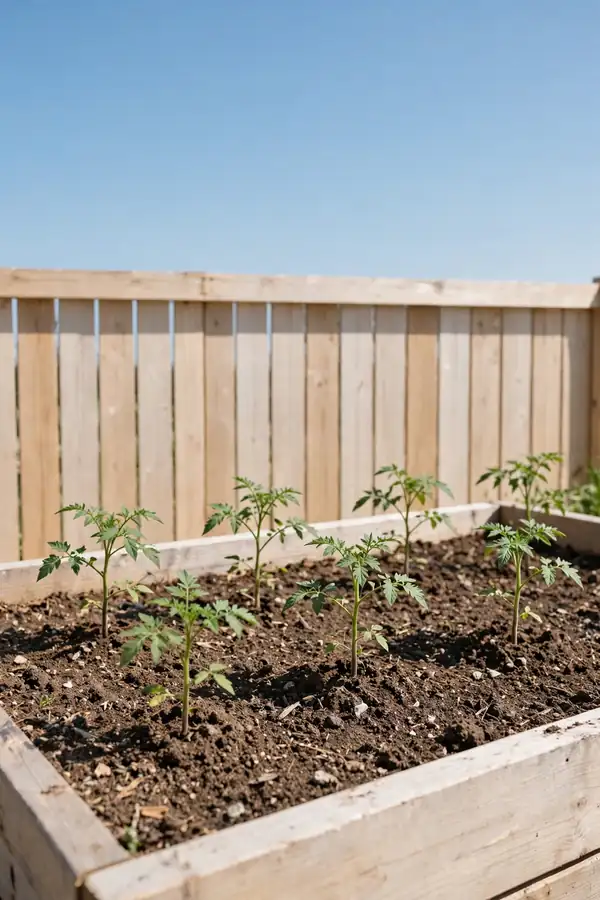
Watch your yard for a weekend before you plant anything. Note which spots get six hours of sun and which sit in shade by noon.
Most vegetables want six-plus hours of direct sun, and most yards lie about how much they get. That sunny-looking corner by the fence is often shade by two o’clock. Plant the sun lovers where the sun actually lands, not where it lands in your memory.
Take a phone photo at 9 in the morning, noon, and 4 in the afternoon. Three pictures, one weekend, and you know your yard. Your outdoor space stops being a mystery and starts being a map.
No six-hour spot? That is useful information, not failure. Grow the shade-tolerant list instead: lettuce, spinach, arugula, and most herbs. Chasing sun you do not have wastes a season.
Dark Mulch Is a Backyard Garden’s Cheapest Upgrade
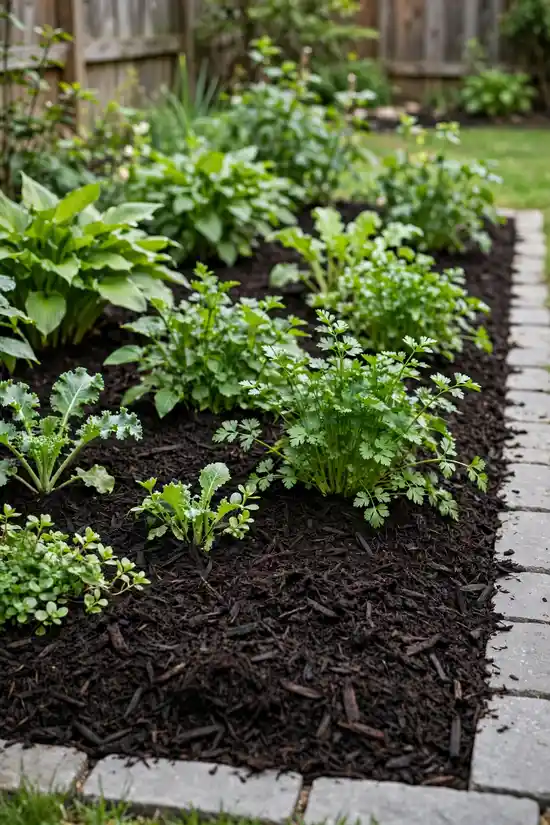
Mulch does three jobs: it holds moisture, smothers weeds, and keeps soil off your lettuce. A three-inch layer around plants cuts watering and weeding more than any gadget.
The quick win is straw or shredded leaves, often free. Bagged bark mulch looks tidier and costs more; both work. Skip landscape fabric underneath: weeds root through it anyway, and cardboard does the job for free. Reapply when you see bare soil, usually once a season; thin mulch is decoration, and three inches is labor.
Dark mulch makes green plants pop, and the bed reads expensive for very little money. For structure, run a stepping-stone path through the bed with a clean spade-cut edge.
Backyard Garden Perennials Pay Rent Once
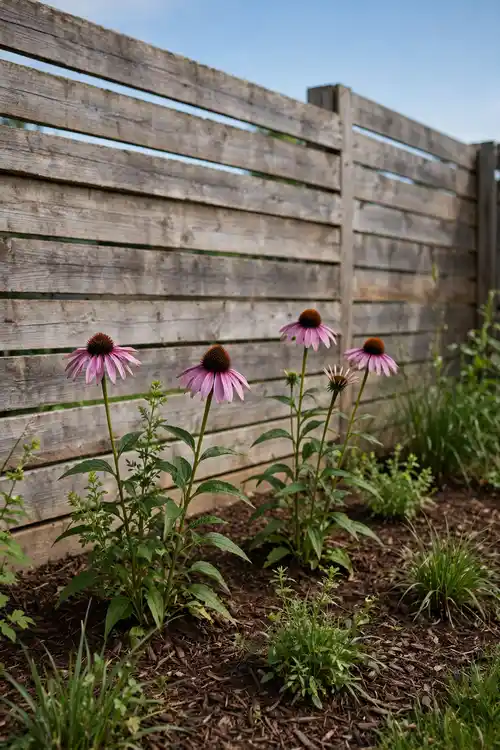
Buying all annuals is the classic first mistake. They look generous at the garden center and bill you again next May. The flowers die in fall and the bed starts empty each spring.
Perennials come back on their own. One coneflower or black-eyed Susan returns for years and splits into more plants you can move. Plant perennials for the bones of the bed, annuals for the color on top.
The tradeoff is patience. Perennials sleep the first year and creep the second; the payoff lands in year three. If you need color this July, annuals still earn their keep.
Favor native and drought-tolerant plants where you can. Once established, they need far less water than pampered imports. They shrug off the weeks you forget to check on them.
Herbs Forgive Almost Everything
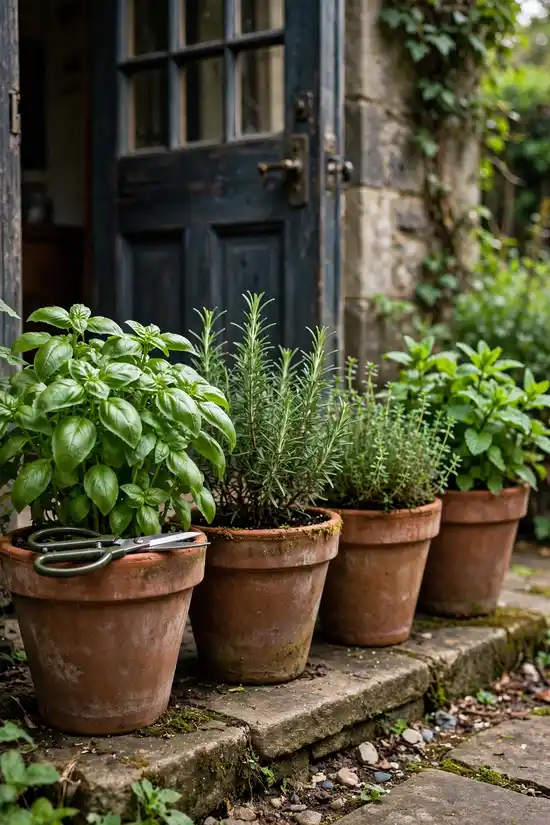
Mint survives drought, shade, and a month of being forgotten. Basil sulks if you look at it wrong. Both teach the same lesson: start with the forgiving ones.
Chives, oregano, thyme, and mint thrive on neglect, which makes them ideal first plants. They pay for themselves fast, since a grocery-store packet of fresh herbs costs more than the plant did. Keep mint in its own pot or it will take the bed. Snip herbs for the kitchen windowsill and they grow back bushier.
Start with four-inch pots, not the tiny two-inch starters that dry out by noon. A five-dollar plant in a bigger pot outlasts three cheap ones.
The $30 Hose Timer Outworks You
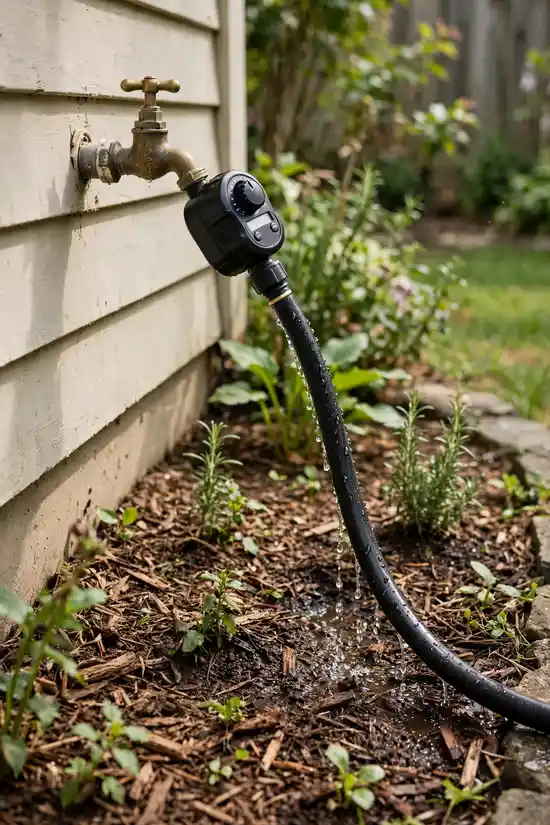
The glossy garden photos show a copper watering can catching the light. The reality is a Tuesday in July when you forget, and the pots bake by Thursday.
Your schedule is the limitation; the workaround is a basic hose timer and a soaker hose. Set it once and the bed waters itself at dawn. About $30 at any hardware store, and it outworks the most dedicated hand-waterer.
Dawn watering is the point, not the gadget. Leaves dry by noon, which cuts the fungal problems that evening watering invites. A timer waters at 6 a.m. whether you are awake or not.
The honest limit: a timer cannot fix bad soil or a bed in full shade. It also needs a hose bib within reach; a long hose run drops the pressure.
Backyard Garden Shade Corners Earn Their Keep
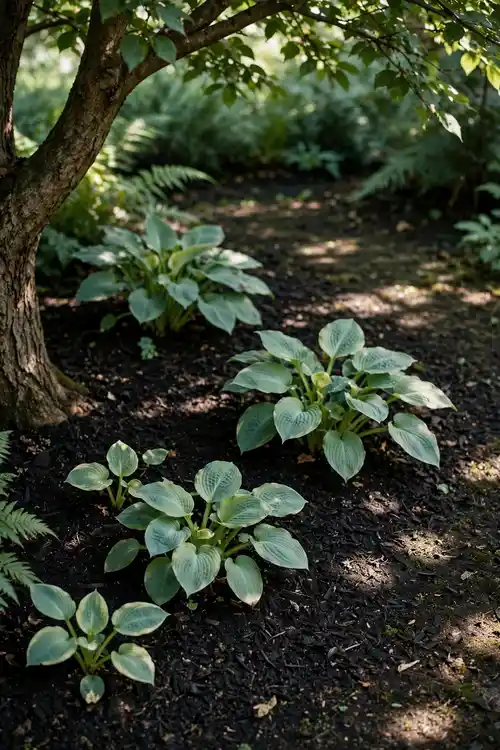
Most garden advice only covers the sunny spots. It is incomplete, because most yards have a shady corner and ignoring it wastes space.
Lettuce, spinach, and arugula prefer afternoon shade in hot climates. They bolt slower and stay sweet longer. Hostas, ferns, and impatiens turn a dark corner into the prettiest part of the yard.
Map shade like sun, then plant accordingly. A shade bed needs less water and less weeding, which suits a busy beginner. Start with one shade-tolerant plant you actually like. Plant out of duty and you will not maintain it.
A dark-stained fence behind the bed makes the green leaves pop.
Borrow Plants Before You Buy Them
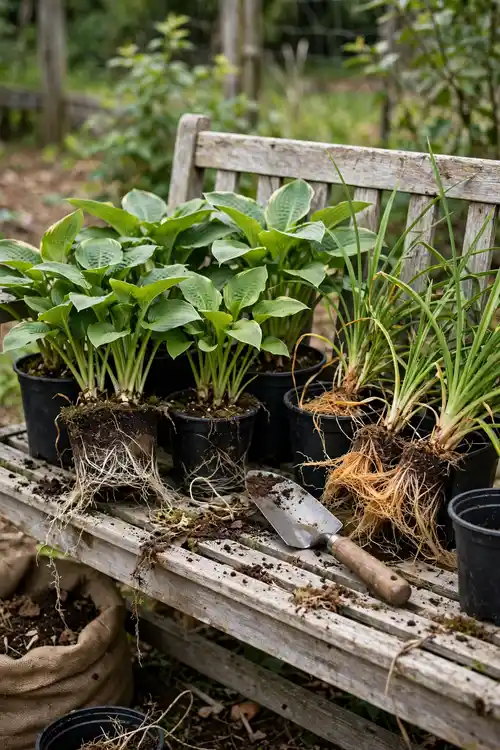
Before: you price thirty plants at the nursery and put half back. After: a neighbor divides her overgrown daylilies and hands you a grocery bag of them.
Gardeners divide perennials regularly and usually have more than they need. Ask around, join a local swap, or post in a neighborhood group.
Free plants come with free advice about what grows on your street. When you are ready to start small, borrowed plants are the cheapest way in.
Bring a bucket or a bag, and plant divisions the same day you get them. Bare roots dry out fast in a hot car.
The Cheapest Soil Does Not Come in a Bag
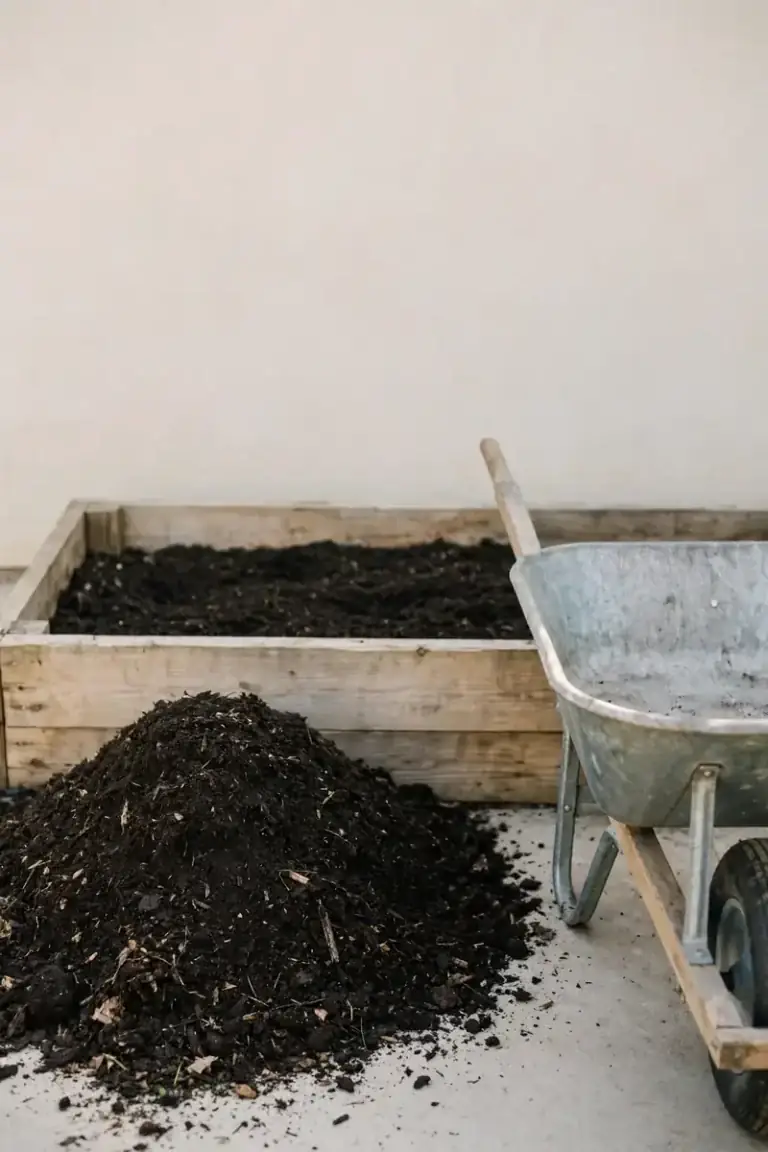
Bagged soil is the most expensive way to buy dirt. Fifteen bags at twelve dollars each is $180 for a cubic yard. The same yard loose from a landscape supplier runs thirty to fifty dollars plus delivery.
Call a local landscape yard and ask for a cubic-yard scoop of garden mix. Many deliver for a small fee, and some sell half-yards to gardeners with a hatchback and a tarp.
Municipal compost is the cheapest option of all. Many towns give away leaf compost free or for a few dollars a truckload. It is unfinished compared to bagged mix, so blend it half-and-half with your native soil.
Whatever the source, do the bucket test first. Fill a bucket, water it, and watch it drain. Sitting water means the mix is too heavy; fast drainage means it needs compost. Cheap soil you test beats expensive soil you trust.
Compost Takes a Corner, Not a Weekend
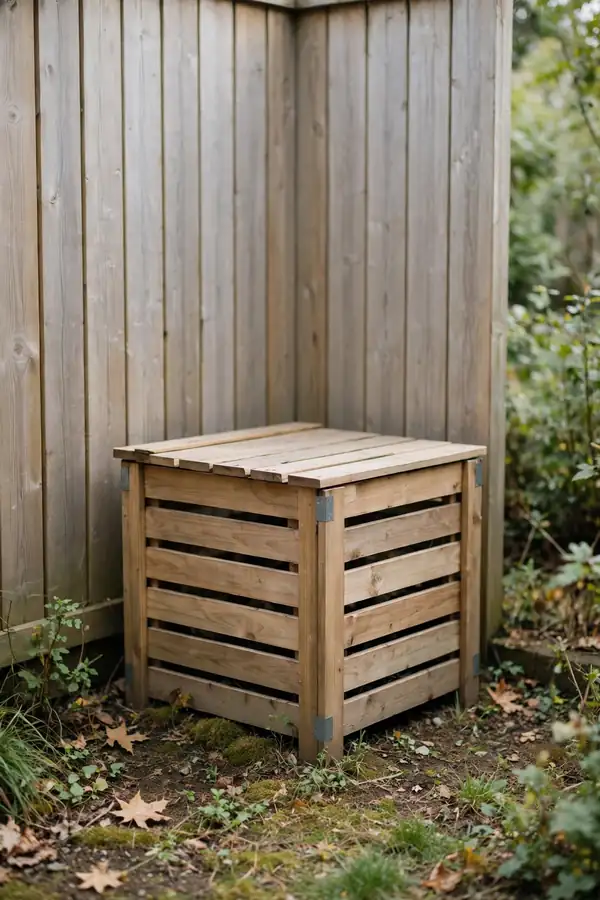
Compost sounds like a project. It is a pile in the corner that you ignore.
The quick win: pick a three-foot square behind the garage. Toss in leaves, grass clippings, and kitchen scraps, then walk away.
Turn it when you remember. In a few months you have free soil food.
Skip meat and dairy, which attract pests. Everything else from the kitchen scrap bin is fair game. A ring of wire fencing keeps it tidy; the pile does the work.
Keep a small bin by the sink so scraps make it outside daily. Turn the pile when you think of it.
Your First Backyard Garden: One Bed, One Season
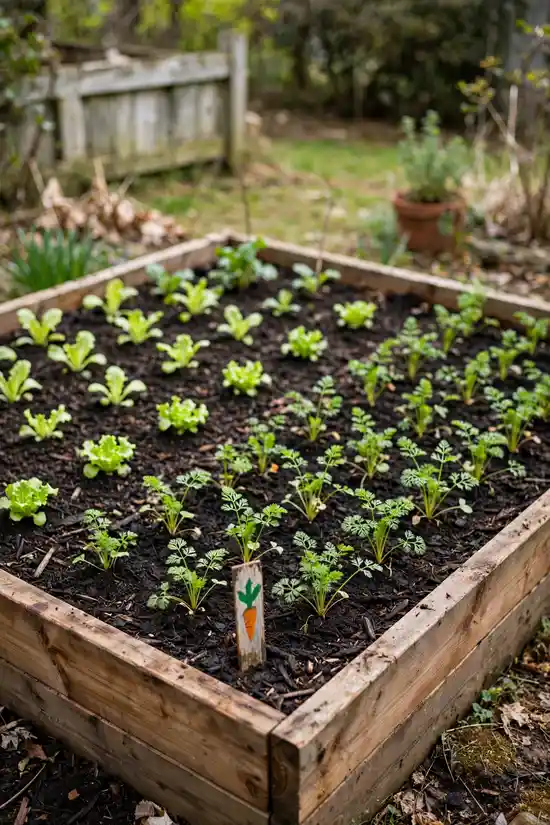
Big garden plans fail big. A 20-by-20 plot planned in March becomes a weedy obligation by August. Shrink it: one bed, one season.
Build a single 4-by-4 bed or fill five pots, grow them well, and judge in October. Small is cheap to fix: a failed 4-by-4 bed costs one bag of soil to redo. Expand only what worked in year two.
Write down what worked before October ends, while you still remember. The note becomes next year’s plan, and the bed becomes two. One finished bed beats three half-done ones. That is how a garden grows without growing into a chore.
Final Thoughts on Backyard Garden Ideas
The non-motivational insight: gardens are mostly soil management with occasional flowers. People who enjoy the dirt part keep gardens; people who only want the harvest part buy a farm share.
This weekend, photograph your yard at three times of day and lay cardboard on one weedy patch. That is a garden started.
It will not fix clay soil in one season or make shade grow tomatoes. What it fixes is the blank-yard paralysis. It kills the feeling that you need a plan, a budget, and a tiller before you begin.
FAQ About Backyard Garden Ideas
How much does it cost to start a small backyard garden?
About $100 covers soil, mulch, seeds, and a few transplants for a first bed or a set of containers. The expensive version is a big raised bed filled with bagged soil, which is why this guide starts small.
What vegetables are hardest to kill for beginners?
Lettuce, beans, zucchini, and herbs like mint and chives forgive missed waterings and poor soil. Tomatoes and peppers punish beginners more, so buy those as transplants rather than seeds.
Can I still start a garden in July, or is it too late?
July is fine for a second act. Sow beans, zucchini, and fall lettuce now, since they mature before first frost in most zones. Skip the slow crops like peppers; their season already passed.